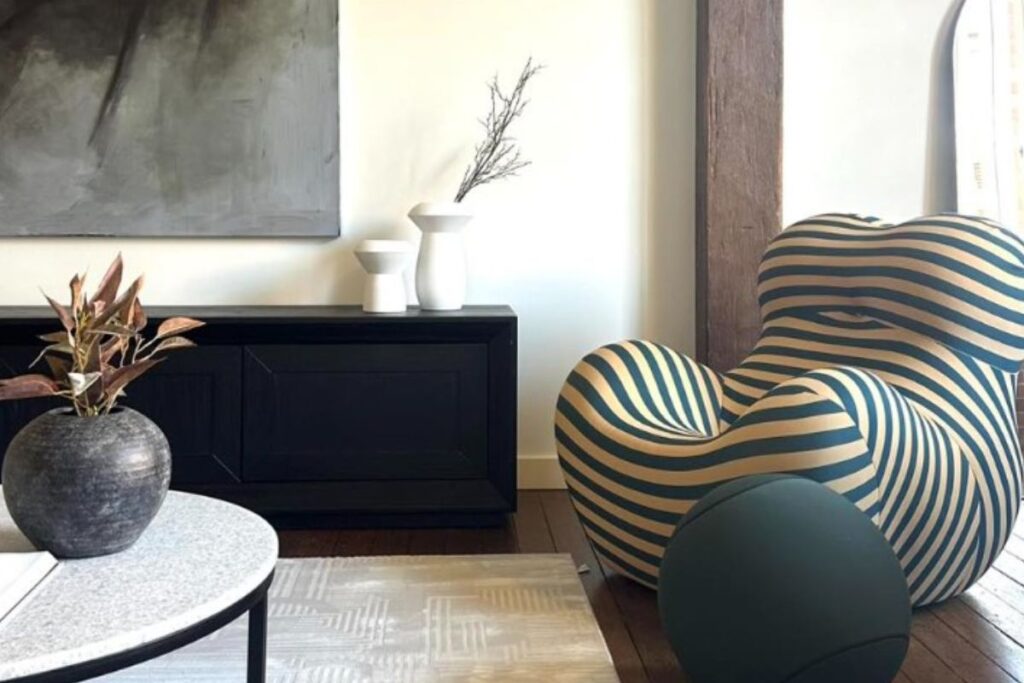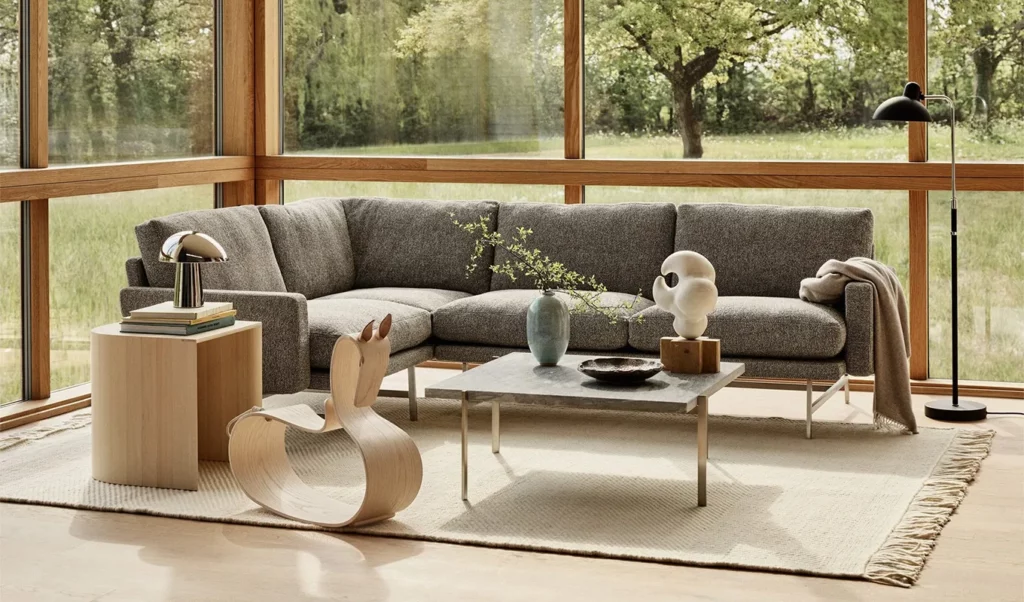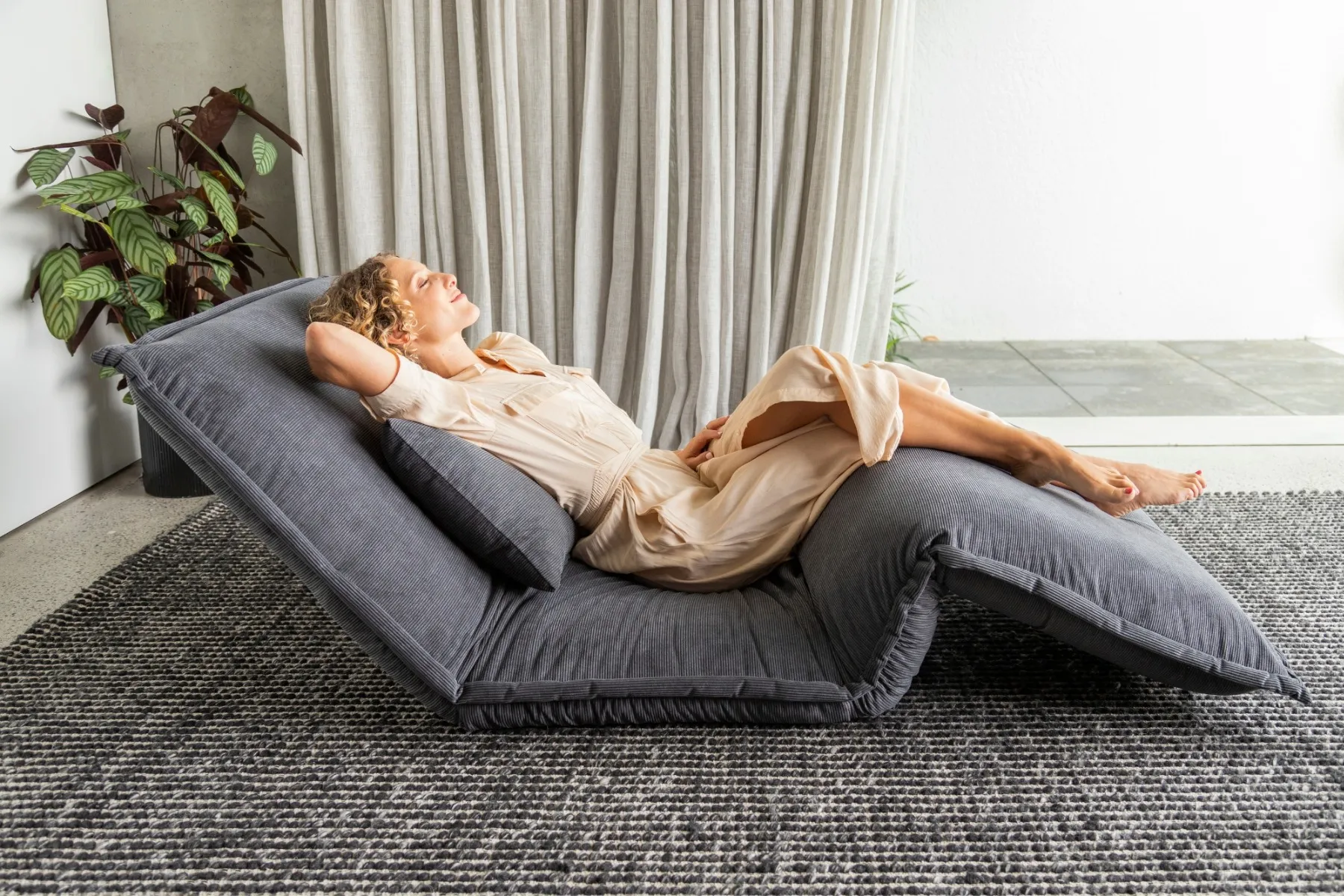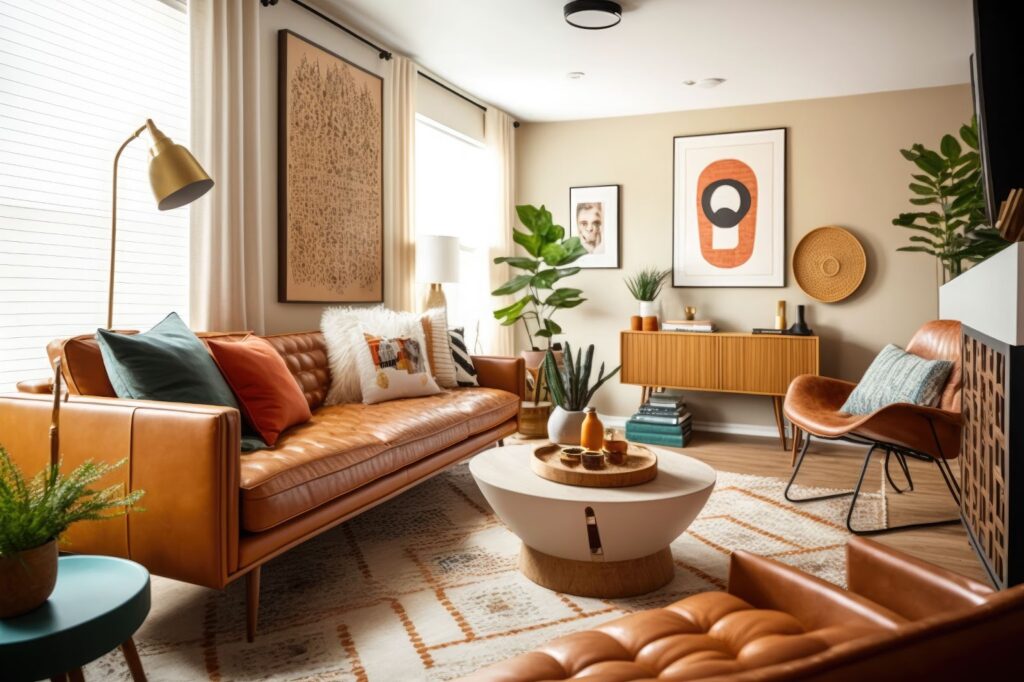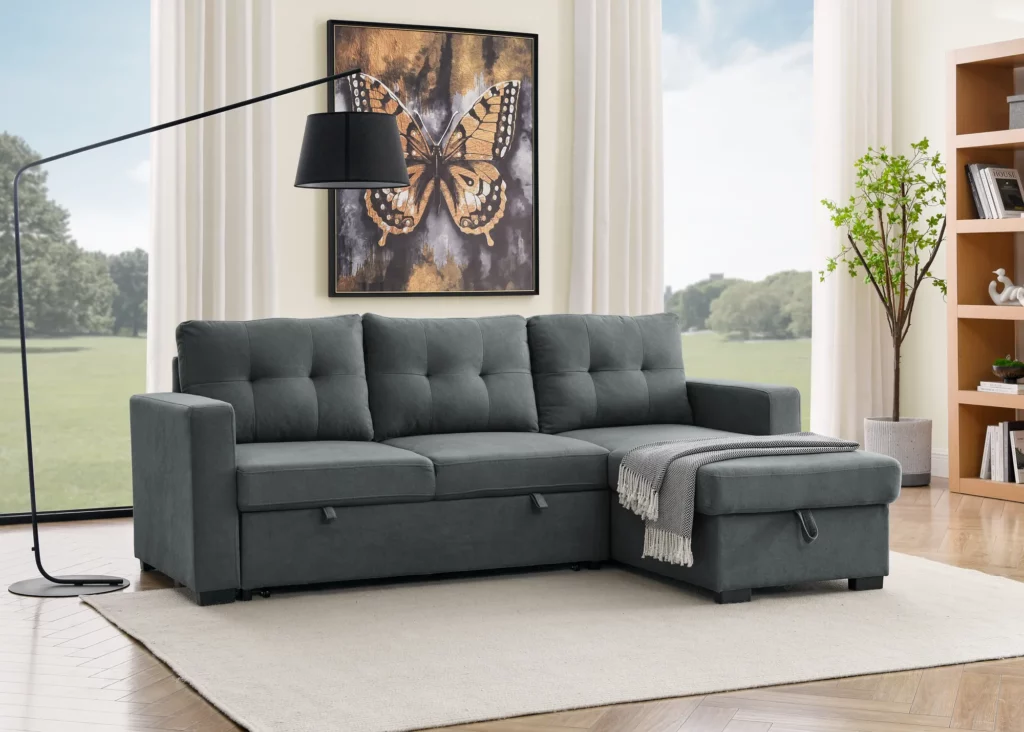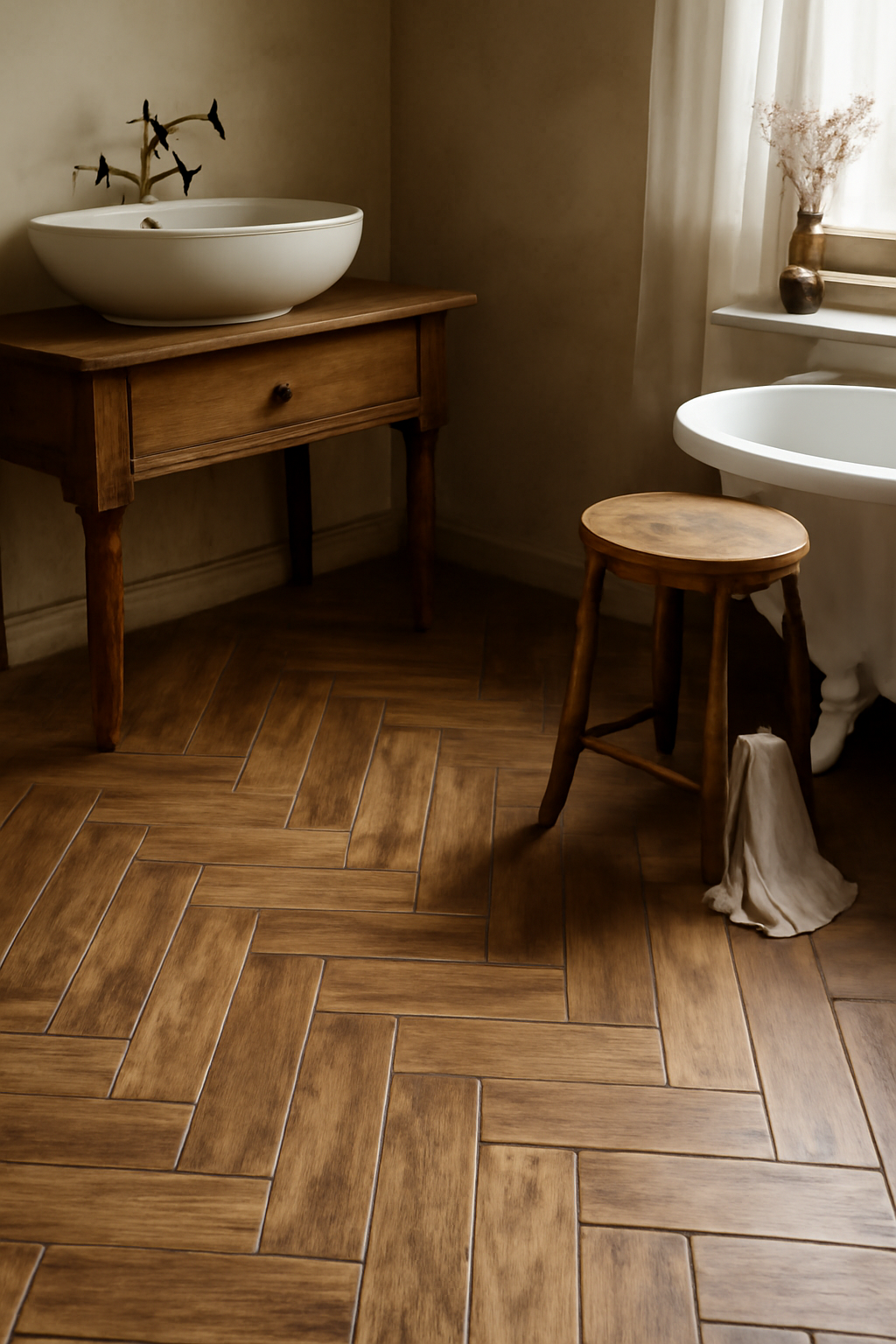
Creating a home that serves as a personal sanctuary is a primary goal for Australian homeowners. Two design movements currently lead the way in achieving this: Modern Coastal and Japandi. While both styles champion minimalism and light-filled spaces, the “perfect tile” for one may feel entirely out of place in the other.
When deciding between Modern Coastal vs. Japandi, the floor and wall tiles act as the canvas. Selecting the right material—be it tactile travertine, matte porcelain, or organic zellige—determines whether your space feels like a breezy Bondi retreat or a grounded, meditative Kyoto-inspired escape.
See more: 20 Subway Tile Layouts Designers Swear By in 2025: Patterns, Colors & Grout Ideas
Defining the Contenders: Aesthetic Core and Philosophy
To select the right tiles, we must first understand the fundamental “vibe” each style aims to project.
What is Modern Coastal?
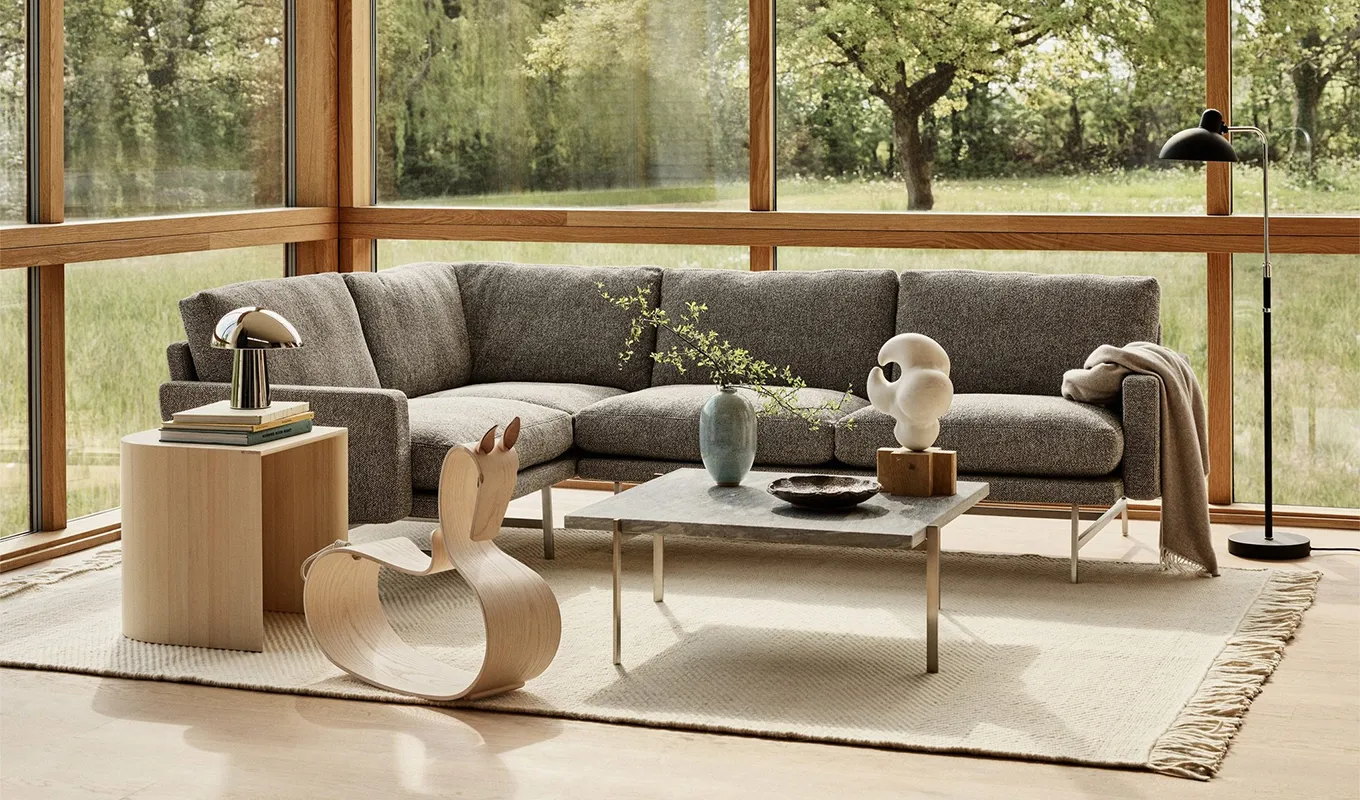
Modern Coastal is the evolution of the classic beach house. It strips away the kitsch (no anchor motifs or seashells) and replaces it with sophisticated textures. In an Australian context, it reflects the indoor-outdoor lifestyle, focusing on light, airiness, and a palette inspired by the shoreline.
What is Japandi?
Japandi is the fusion of Japanese functionalism and Scandinavian rustic minimalism. It relies on the concept of Wabi-sabi—finding beauty in imperfection—and Hygge—comfort and coziness. It is more structured and “moodier” than Coastal, leaning into warm woods, deep stones, and handmade crafts.
The Role of Tiles in a Minimalist Sanctuary
In a minimalist home, every surface is scrutinized. Without “clutter” to hide behind, the quality, grout line, and finish of your tiles become the focal point.
- Tactility: Minimalist tiles shouldn’t just look good; they should feel significant underfoot.
- Light Reflection: Glossy tiles bounce the harsh Australian sun, while matte finishes absorb it for a calmer atmosphere.
- Continuity: Using the same tile from the bathroom to the alfresco area creates the “sanctuary” feel by removing visual breaks.
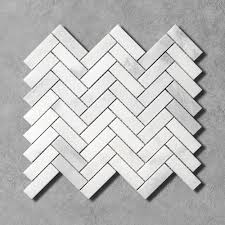
Modern Coastal vs. Japandi: Tile Comparison Table
| Feature | Modern Coastal Tiles | Japandi Tiles |
| Color Palette | Sandy beiges, crisp whites, seafoams | Oak tones, charcoal, warm greys, terracotta |
| Texture | Sandblasted, tumbled, weathered | Honed, brushed, artisanal/matte |
| Common Materials | Travertine, Limestone, Terrazzo | Slate, Basalt, Wood-look Porcelain |
| Grout Style | Matching (seamless) | Subtle contrast or tonal |
| Vibe | Uplifting, breezy, bright | Grounded, quiet, intentional |
Deep Dive: Selecting Tiles for a Modern Coastal Home
Modern Coastal tiles should mimic the elements of the Australian coast: the grit of the sand, the smooth surface of sun-bleached driftwood, and the shimmer of the Pacific.
1. The Power of Travertine and Limestone
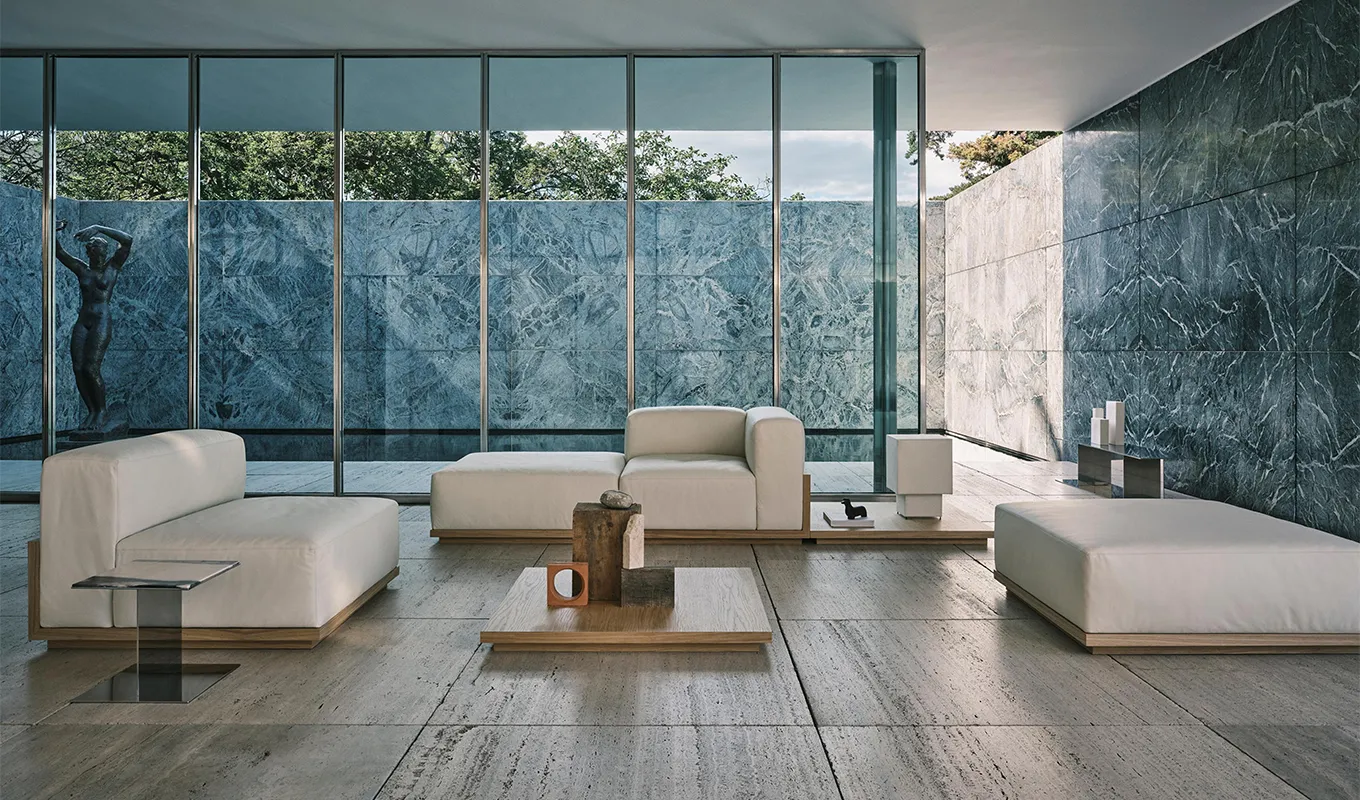
Natural stone is the gold standard for Coastal homes. Tumbled travertine, with its natural pits and variations, provides a soft, “lived-in” luxury. It stays cool underfoot during a 40°C Australian summer, making it practical as well as beautiful.
2. Large-Format Terrazzo
Modern Coastal has moved away from small tiles toward large-format porcelain that mimics terrazzo. Look for tiles with white or light-grey bases and chips of quartz or marble. This adds “visual texture” without adding clutter.
3. Glossy Zellige for Splashbacks
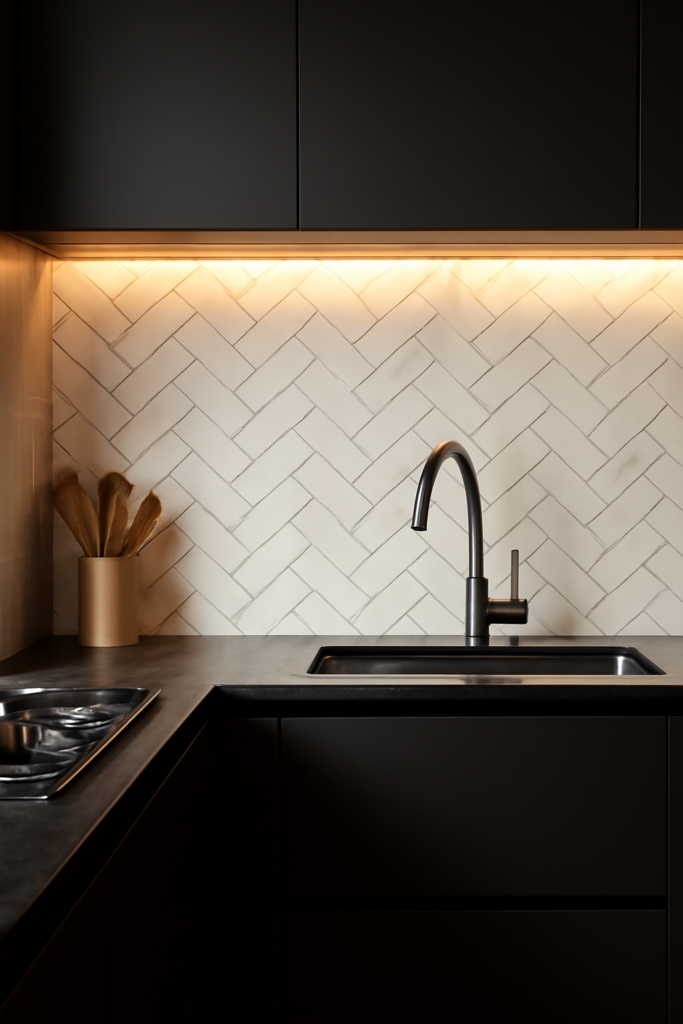
To mimic the reflection of the ocean, use handmade Zellige tiles in kitchens or bathrooms. The uneven surfaces catch the light at different angles, providing a “watery” aesthetic that feels artisanal and high-end.
Deep Dive: Selecting Tiles for a Japandi Sanctuary
Japandi tiles are about “earthiness.” They are often darker and more matte than Coastal options, focusing on a sense of permanence and calm.
1. Wood-Look Porcelain Planks
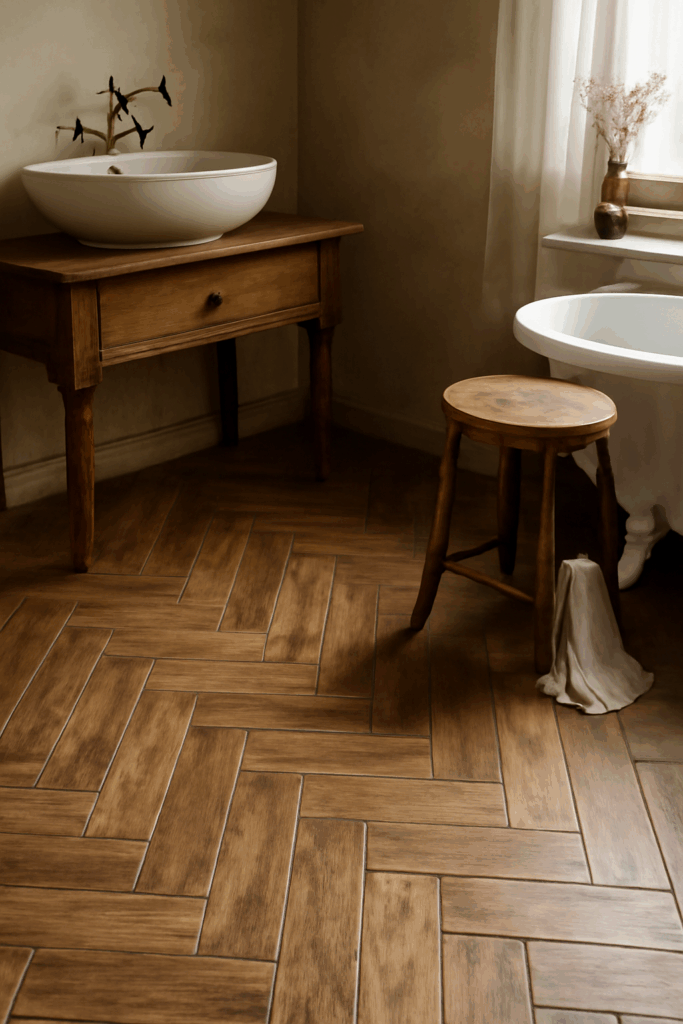
Since Japandi relies heavily on timber, wood-look porcelain tiles are a game-changer. They offer the warmth of Japanese cedar or Scandi oak but with the durability and water resistance required for Australian bathrooms and laundries.
2. Honed Basalt and Dark Grey Stone
Japandi often utilizes a darker “anchor” color. A dark grey, honed (matte) basalt tile creates a stunning contrast against light wood cabinetry. This “grounds” the room, making it feel like a secluded spa.
3. Linear and Finger Tiles (Kit Kats)
The Japanese influence in Japandi often manifests through verticality and repetition. Finger tiles or “Kit Kat” tiles in muted, matte tones (like eucalyptus green or clay) create a sense of rhythm and order.
The Step-by-Step Selection Framework
Follow this process to ensure your tile choice aligns with your chosen aesthetic:
- Define the Temperature: Coastal is “Cool to Neutral.” Japandi is “Neutral to Warm.”
- Assess the Light: Does your room get direct afternoon sun? Choose matte tiles to avoid blinding glare. Is it a dark room? Use light, satin-finish tiles.
- The “Hand-Feel” Test: Minimalist sanctuaries are often barefoot zones. Always order a sample and walk on it.
- Grout Selection: For a seamless look, match the grout perfectly to the tile. In Japandi styles, a slightly darker grout can highlight the geometry of the layout.
- Scale the Tile: In small Australian ensuites, larger tiles (600x600mm or larger) actually make the space feel bigger by reducing grout lines.
Common Mistakes to Avoid
- Over-complicating Patterns: Minimalism fails when patterns are too busy. Avoid “loud” encaustic tiles in these styles.
- Ignoring Slip Ratings: For Australian outdoor areas and wet rooms, ensure your tiles meet P4 or P5 slip ratings, regardless of how pretty they look.
- Mismatched Undertones: Don’t pair a “cool” blue-grey tile with “warm” yellow-oak floorboards. Ensure the undertones are consistent.
Best Practices for Long-Term Value
- Rectified Edges: Always ask for rectified tiles. These are mechanically cut to be perfectly square, allowing for ultra-thin grout lines (1.5mm), which is essential for the minimalist look.
- Epoxy Grout: In bathrooms, use epoxy grout. It doesn’t discolor or harbor mold, keeping your “sanctuary” pristine for years without heavy scrubbing.
- Natural Stone Sealing: If you choose real travertine or limestone, ensure it is professionally sealed to prevent staining from red wine or oils.
Internal Linking & Resource Suggestions
- Internal Link Suggestion: Guide to choosing the right grout color for open-plan living.
- Internal Link Suggestion: Top 5 bathroom layout ideas for Australian renovations.
- External Reference: Check the Housing Industry Association (HIA) for Australian tiling standards and waterproofing regulations.
- External Reference: Explore the Design Institute of Australia for more on the cultural intersection of Japanese and Scandinavian design.
FAQ: Modern Coastal vs. Japandi Tile Selection
What is the main difference between Modern Coastal and Japandi tiles?
Modern Coastal tiles focus on light, bright, and weathered textures (sands and whites), while Japandi tiles focus on earthy, matte, and warm tones (woods and charcoals) to create a sense of calm.
Are natural stone tiles better than porcelain for these styles?
Porcelain is generally easier to maintain and can perfectly mimic stone or wood. However, natural stone like travertine offers a unique, high-end feel that is highly valued in the Australian property market.
Can I mix Modern Coastal and Japandi?
Yes. This is often called “Coastal Japandi.” It uses the light palette of the coast with the structured, functional furniture and tile layouts of Japan.
What tile size is best for a minimalist look?
Large-format tiles (800x800mm or 600x1200mm) are best. Fewer grout lines mean fewer visual distractions, leading to a cleaner, more minimalist appearance.
Are “Kit Kat” tiles still in style for 2026?
Yes, especially in Japandi design. They provide a vertical texture that adds height to a room and reflects the structured nature of Japanese architecture.
Conclusion: Creating Your Perfect Minimalist Sanctuary
Choosing between Modern Coastal vs. Japandi ultimately comes down to how you want to feel in your home. If you want to feel energized, refreshed, and connected to the sea, the light stones and sandy palettes of Modern Coastal are your best bet. If you prefer to feel grounded, quiet, and cozy, the warm woods and matte stones of Japandi will serve you better.
Regardless of your choice, remember that the “sanctuary” feel comes from quality and consistency. Invest in high-quality tiles, keep your palette restrained, and let the materials speak for themselves.