
This guide explains what typically happens, what the homeowner should prepare, and what a good handover looks like.
What should they do before the installers arrive?
They should clear access to all designated work zones prior to air conditioning installation Baulkham Hills, particularly the rooms where indoor units will be mounted and the external area allocated for the condenser. It is also advisable to remove fragile items from nearby shelves and walls to mitigate the risk of accidental damage during the installation process.
They may also want to anticipate a limited level of operational noise and minor dust while the air conditioning installation Baulkham Hills team completes the setup. If pets are sensitive to unfamiliar activity, placing them in a separate room can support a smoother and more controlled installation workflow.
What time do they usually arrive, and how long does it take?
They often arrive in the morning within a booked window, then do a short site check before tools come inside. A standard split system install commonly takes a few hours, while multi-split or ducted jobs can take most of the day.
Time varies based on access, wall type, pipe run length, switchboard capacity, and whether drilling through brick is required.
What happens in the initial site check?
They will confirm the agreed unit locations and check the pipe and cable route from indoor to outdoor. They also verify clearances, airflow, and practical service access for future maintenance.
If anything differs from the quote, such as longer pipe runs or unexpected obstacles, they should explain changes before proceeding.
How do they protect the home during installation?
They generally lay drop sheets, set up tools in a contained area, and drill carefully to control dust. They should keep foot traffic minimal through finished areas where possible.
If wall penetration is needed, they should patch and seal neatly. Any external penetrations should be weatherproofed.
What should they expect for indoor unit installation?
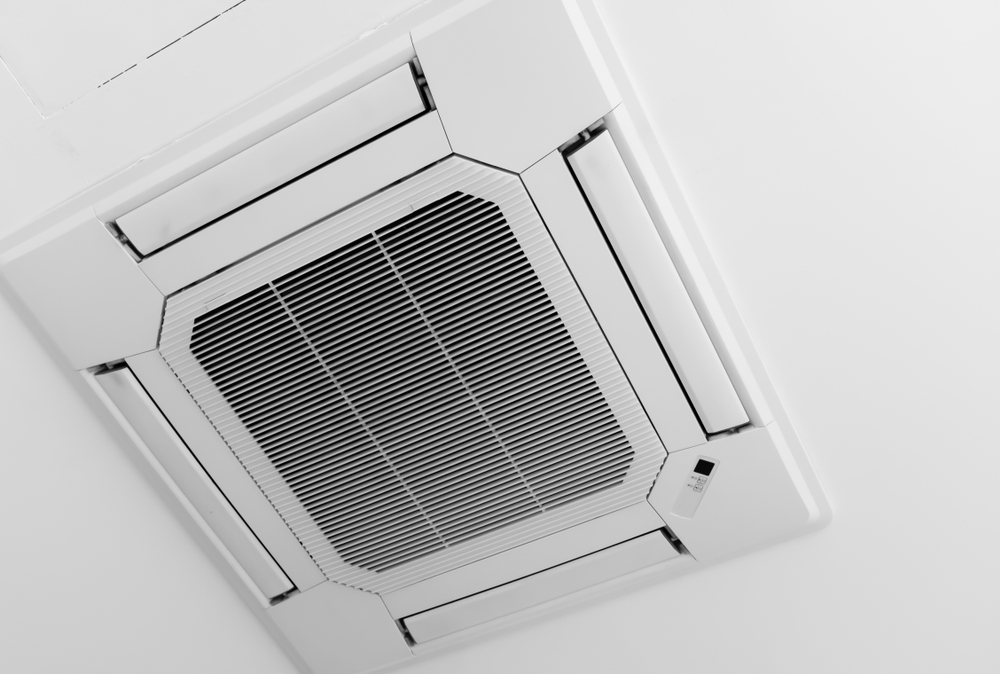
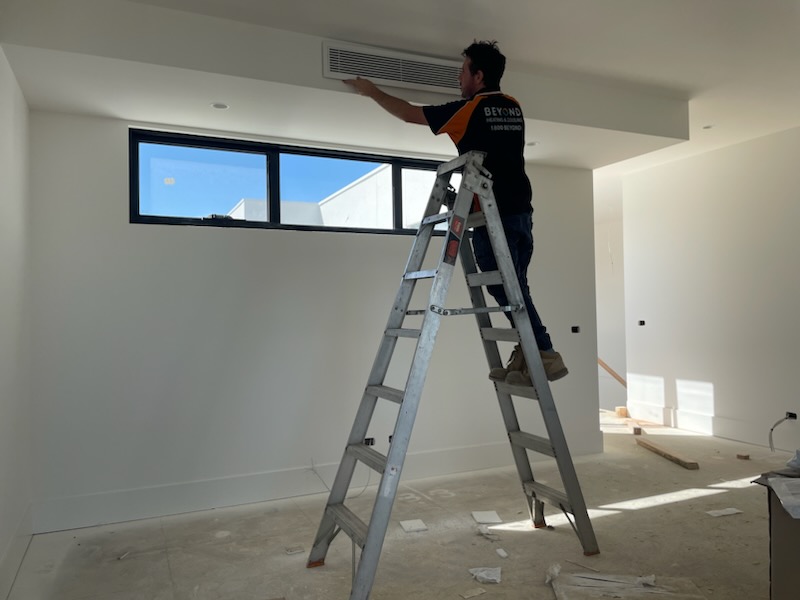
They will mount a bracket, level it, and secure it to a solid structure. Then they connect the refrigerant lines, condensate drain, and electrical interconnect before hanging the indoor unit.
They should expect some drilling and brief periods of louder noise. The indoor location should allow good airflow and easy filter access.
What should they expect for outdoor unit installation?
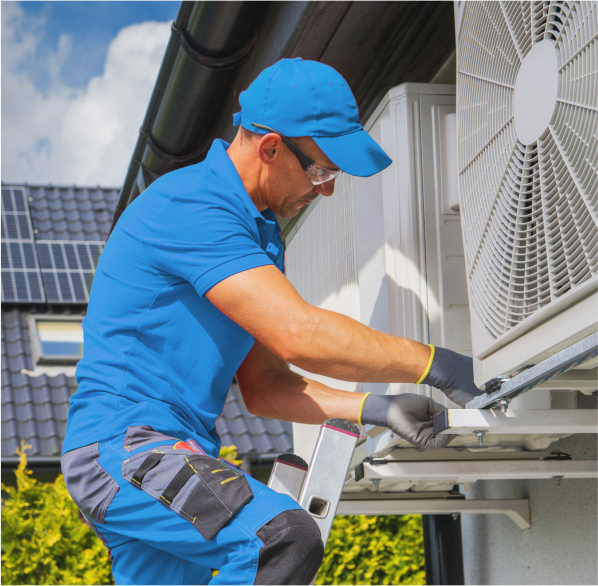
They will place the condenser on a stable base, usually a wall bracket or slab, with vibration control where appropriate. They also confirm airflow clearance so the unit can reject heat properly.
They should expect the installer to consider neighbour noise, drainage, and access for servicing.
How do they run pipes, drains, and cabling?
They typically run insulated copper pipes, a power or interconnect cable, and a condensate drain line between units. Pipework may be concealed in wall cavities where feasible, or covered externally with trunking for a clean finish.
They should expect the drain to be routed to a suitable discharge point to reduce the risk of dripping and water marks.
Will they need an electrician, and what happens at the switchboard?
Many installs require electrical work, such as a dedicated circuit, isolation switch, or switchboard upgrades if capacity is limited. A licensed electrician may attend as part of the same team or as a scheduled step.
They should expect compliance checks, correct cable sizing, and safety isolation procedures before power is connected.
What noise, mess, or disruptions should they plan for?
They should plan for drilling noise, short periods of louder hammer drilling in brick, and some dust around penetration points. Power may be switched off briefly if electrical work is required.
Parking access for the install vehicle can help speed things up. If strata or tight driveways are involved, it helps to pre-arrange access.
How do they test the system once it is installed?
They should expect a vacuum test and commissioning process to confirm the refrigerant circuit is dry and sealed. Then they run heating and cooling modes, check temperature split, airflow, and ensure the drain flows correctly.
They also confirm the outdoor unit starts and stops normally and that no unusual vibration or rattles are present.
What questions should they ask during the handover?
They should ask for a quick run-through of the remote, modes, and recommended temperature settings for efficiency. They should also ask how to remove and clean filters, and how often basic maintenance should be done.
They should request warranty details, a compliance certificate where applicable, and guidance on what to do if an error code appears.
What should they check before the team leaves?
They should check the unit sits level, the trunking looks neat, and external penetrations are sealed. They should also confirm the drain is not dripping where it should not, and that the outdoor unit is secure.
They should ask the installer to confirm the model and serial details are recorded and that the area is cleaned up.
What issues could cause delays on the day?
Delays can happen if access is blocked, wall structure differs from expectations, or the outdoor location needs changes for clearance. Switchboard limitations and unexpected electrical requirements can also add time.
If the homeowner is available to approve minor placement adjustments quickly, it can prevent rework and keep the job on schedule.
What can they do after installation to keep it running well?
They should clean filters regularly and keep vents and return air paths unobstructed. They should also keep the outdoor unit clear of leaves and debris to maintain airflow.
If performance drops or unusual noise appears, they should arrange a service early, rather than running the unit harder and risking bigger repairs.
FAQs (Frequently Asked Questions)
What preparations should homeowners make before the air conditioning installers arrive in Baulkham Hills?
Homeowners should clear access to work zones, especially rooms receiving indoor units and the outdoor condenser location. They should remove fragile items near the install area and plan for some noise and minor dust. If pets are anxious, it’s helpful to keep them in a separate room.
How long does a typical air conditioning installation take, and what factors influence this?
Standard split system installations usually take a few hours, while multi-split or ducted systems can take most of the day. Time varies based on site access, wall type, pipe run length, switchboard capacity, and whether drilling through brick is required.
What steps do installers take to protect the home during air conditioning installation?
Installers typically implement controlled site protection protocols, including the use of drop sheets, defined tool staging zones, and precision drilling techniques to minimise dust dispersion and maintain cleanliness across finished surfaces. Foot traffic through occupied or completed areas is kept to a minimum, and all internal wall penetrations are professionally patched and sealed to maintain aesthetic integrity. External penetrations are fully weatherproofed to ensure thermal efficiency and protect building envelope integrity.
From a compliance and infrastructure standpoint, electrical requirements for air conditioning installation and licensed HVAC electrical integration procedures are a critical component of the overall installation workflow.
Electrical work is often required, particularly where dedicated circuits, load balancing, or switchboard upgrades are necessary to accommodate system capacity. This work is performed by a licensed electrician, either integrated within the installation team or engaged separately depending on project scope. Prior to energisation, full compliance verification is conducted, including correct conductor sizing, circuit protection validation, and mandatory electrical isolation procedures to ensure system safety and regulatory adherence before final power connection.
What should homeowners expect during the system testing and handover process?
Installers perform vacuum tests and commissioning to confirm the refrigerant circuit is sealed. They run heating and cooling modes, check temperature splits, airflow, drain flow, and ensure the outdoor unit operates normally without unusual vibrations. During handover, they explain remote controls, maintenance tips, warranty details, compliance certificates, and error code guidance.
How can homeowners maintain their air conditioning system after installation for optimal performance?
Homeowners should clean filters regularly, keep vents and return air paths unobstructed, and ensure the outdoor unit is clear of leaves and debris to maintain airflow. If performance drops or unusual noises occur, scheduling a service promptly helps prevent bigger repairs.