
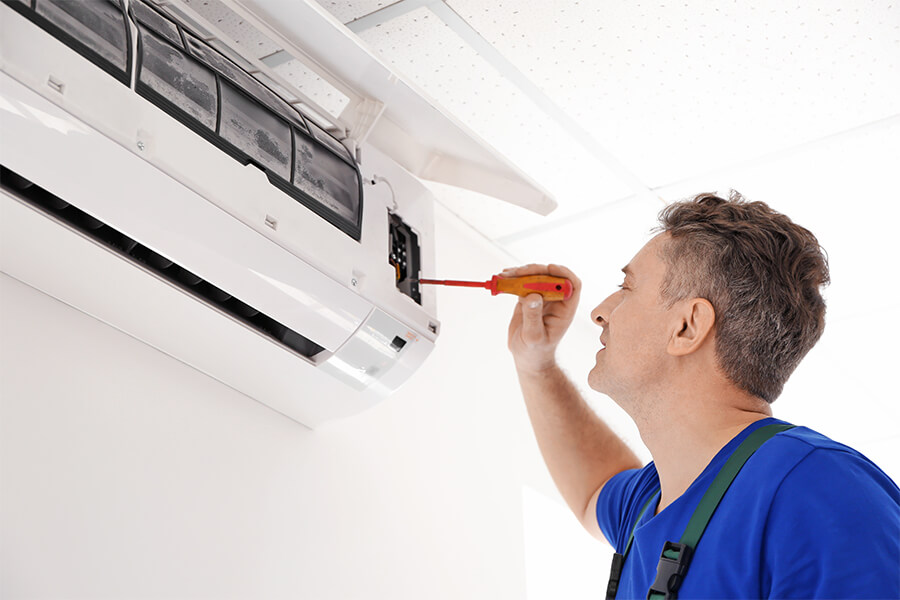
The good news is they can usually cut consumption without sacrificing comfort. Below are four practical, high-impact ways businesses can improve commercial air conditioning energy efficiency in Hornsby.
What changes the energy bill fastest in a commercial air conditioning setup?
Controls and setpoints usually make the quickest difference because they influence runtime every day. When scheduling, zoning, and temperature targets are tuned to real building use, the system runs less often and with fewer extreme peaks.
They should start by checking whether the unit is conditioning empty areas, running after hours, or fighting against heat loads that could be reduced with better airflow and maintenance.
How can smarter controls and scheduling reduce wasted cooling hours?
They can unlock measurable efficiency gains by aligning HVAC operating schedules with actual occupancy patterns rather than default or assumed business hours—an optimisation frequently implemented in commercial air conditioning Hornsby environments. Even a single additional hour of operation each weekday compounds significantly over the course of a year, particularly for multi-split or ducted systems servicing larger commercial floor areas.
Key improvements include:
- Setting start/stop times based on when staff actually arrive and leave
- Using “optimum start” to pre-cool only when needed
- Locking setpoint ranges so temperatures do not drift too low
- Adding CO₂ or occupancy sensors in meeting rooms and shared zones
If they manage multiple tenancies or zones, a building management system (BMS) or advanced controller can prevent simultaneous heating and cooling, which is a common hidden energy drain.
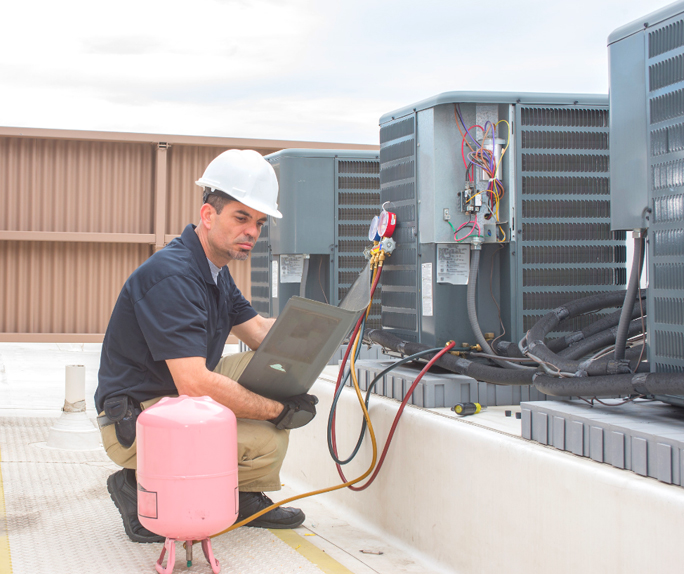
Why do regular servicing and airflow checks improve efficiency so much?
Clean filters, correct refrigerant charge, and balanced airflow reduce the workload on compressors and fans. When airflow is restricted or coils are dirty, systems run longer to achieve the same result, which increases power draw and wear.
They can improve efficiency by ensuring technicians:
- Clean indoor filters and inspect return-air paths
- Clean condenser coils and check outdoor unit clearance
- Verify refrigerant charge and look for leaks
- Check fan speeds, belts (if applicable), and motor performance
- Confirm drains, sensors, and thermostat calibration are working correctly
Routine servicing also helps them spot early issues such as short cycling, failing capacitors, or incorrect control settings, which can spike consumption long before a breakdown happens.
How does zoning and temperature setpoints prevent overcooling and hot spots?
Zoning and setpoint discipline reduce “comfort complaints” that lead to energy-wasting fixes, like lowering the whole building temperature to satisfy one warm room. When zones reflect real usage, the system can condition only what is needed, at the right time.
Practical steps include:
- Separating high-load areas such as server closets, kitchens, or sunlit rooms
- Using individual zone controls where the layout allows it
- Keeping cooling setpoints realistic, often around 23–24°C for offices
- Avoiding frequent manual overrides that disrupt schedules
They should also check for causes of hot spots that are not HVAC capacity issues, such as blocked vents, poor diffuser placement, or after-hours equipment loads.
When does upgrading equipment or adding efficiency add-ons make sense?
Upgrades make sense when existing systems are near end of life, frequently repaired, or clearly mismatched to the building’s needs. High-efficiency inverter systems, modern packaged units, and variable speed fans can reduce energy use because they ramp output instead of cycling hard on and off.
They can also consider targeted add-ons before a full replacement, such as:
- Adding VSDs (variable speed drives) to suitable fan motors
- Installing smarter zone controllers or integrating with a BMS
- Improving insulation and sealing to reduce heat gain
- Using shading or film on high-solar-glare windows
If they are planning a replacement, they should ensure the new system is properly sized and commissioned. Oversizing is common and can reduce efficiency because it short cycles, struggles with humidity control, and wears components faster.
What should they do next to improve commercial air conditioning efficiency in Hornsby?
They should start with a simple energy-efficiency review: confirm scheduling, service the system, validate airflow, and tighten zoning and setpoints. Those steps are usually the lowest-cost path to immediate savings.
If results plateau, they can then assess whether a controller upgrade or equipment replacement offers a better long-term return, especially for sites with long operating hours or rising maintenance costs.
FAQs (Frequently Asked Questions)
What factors most quickly impact the energy bill in commercial air conditioning systems in Hornsby?
Controls and setpoints have the fastest impact on energy bills because they directly influence daily runtime. Proper scheduling, zoning, and temperature targets aligned with actual building use reduce unnecessary operation and extreme peaks, cutting energy consumption effectively.
How can smarter controls and scheduling reduce wasted cooling hours in commercial buildings?
Smarter controls match HVAC operation to real occupancy rather than assumed business hours, preventing unnecessary runtime. Key strategies include setting accurate start/stop times, using optimum start for pre-cooling only when needed, locking temperature setpoint ranges to avoid overcooling, and installing CO₂ or occupancy sensors in shared spaces. Advanced controllers or building management systems can also prevent inefficient simultaneous heating and cooling across zones.
Why is regular servicing and airflow checks essential for improving commercial AC efficiency?
Regular servicing ensures clean filters, correct refrigerant charge, and balanced airflow, which reduce compressor and fan workload. Dirty coils or restricted airflow cause longer runtimes and higher power consumption. Routine maintenance also detects early issues like short cycling or failing components that increase energy use before causing breakdowns.

How do zoning and temperature setpoints help prevent overcooling and hot spots in commercial air conditioning?
Effective zoning enables precise thermal control by conditioning only occupied or high-load areas at relevant times, which significantly reduces avoidable energy consumption. Maintaining realistic temperature setpoints—typically around 23–24°C in office environments—helps prevent user-driven overrides that often lead to inefficient cooling behaviour. Additionally, identifying and resolving contributors to localised heat loads, such as blocked diffusers or after-hours equipment operation, plays a key role in stabilising overall system performance.
From a lifecycle asset management perspective, commercial air conditioning upgrade strategies in Hornsby focused on energy efficiency improvements and system optimisation become critical when evaluating long-term operational cost control.
Upgrades are generally advisable when legacy systems are approaching end-of-life, experiencing repeated service interventions, or no longer aligned with current building load profiles. Implementing high-efficiency inverter technology, variable speed fan systems, and control enhancements such as variable speed drives or advanced building management integration can materially reduce energy consumption. Ensuring correct system sizing and professional commissioning during replacement is equally important, as it mitigates inefficiencies such as short cycling and underperformance that can otherwise compromise system efficiency.
What are the first steps businesses should take to improve commercial air conditioning energy efficiency in Hornsby?
Start with a simple energy-efficiency review focusing on verifying HVAC scheduling aligns with occupancy, servicing the system thoroughly, validating airflow balance, and tightening zoning controls and temperature setpoints. These low-cost actions typically yield immediate savings before considering controller upgrades or equipment replacement for long-term benefits.